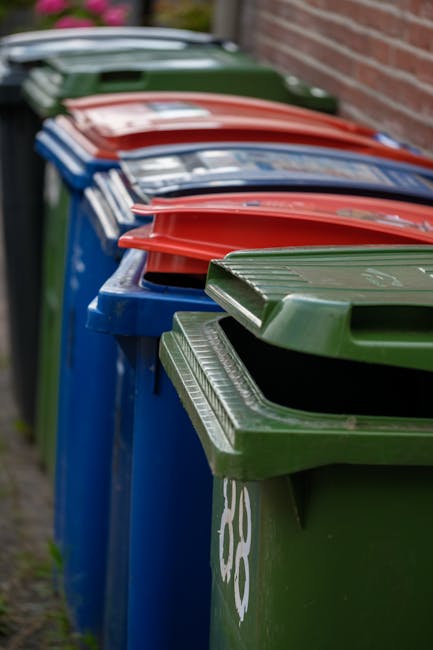
Gardeners Old Malden council green waste rules explained
If you have ever stood in the garden after a big cut-back and wondered what to do with the pile of hedge clippings, grass, ivy, and leaf litter, you are not alone. The phrase Gardeners Old Malden council green waste rules explained sounds dry on paper, but in real life it is about avoiding contamination, reducing hassle, and making sure your garden waste goes where it should. One wrong bag of rubble or food scraps can turn a tidy job into a messy one.
This guide breaks everything down in plain English: what green waste usually means, how council collections tend to work, what gardeners should separate out, and how to plan jobs so disposal is smoother from start to finish. You will also find a practical checklist, a comparison table, and a few common mistakes that catch people out more often than you might expect.
Truth be told, most garden waste problems are not about the gardening itself. They happen at the final sweep-up stage, when you are tired, the light is fading, and someone has tossed "just a few bits" into the wrong pile. Let's fix that.
Why Gardeners Old Malden council green waste rules explained Matters
Green waste sounds simple until you try to dispose of it properly. In most local arrangements, "green waste" means natural garden material such as grass cuttings, hedge trimmings, leaves, small branches, weeds, and plant prunings. It usually does not mean mixed rubbish, soil-heavy spoil, treated timber, plastic pots, or food waste. That distinction matters because council collections and recycling streams rely on clean, separated material.
For homeowners, the practical issue is convenience. For gardeners, the bigger issue is workflow. If waste is sorted as you go, then a hedge trim, border tidy-up, or seasonal clearance can be finished neatly instead of leaving a questionable heap by the side gate. And to be fair, nobody wants to realise on collection day that the bin is too heavy, too mixed, or full of the wrong stuff.
It also matters for the garden itself. A smart waste routine helps keep paths clear, reduces pest attraction, and makes ongoing maintenance much easier. If you are planning wider garden work, such as a hedge tidy, border renovation, or a full refresh after winter, related guidance like hedge trimming advice and weed control tips can help you plan the job so the waste side of things stays manageable.
Expert summary: clean green waste is easier to collect, easier to recycle, and easier to manage in a busy garden. The more mixed the pile, the more likely it is to cause delays, extra handling, or extra cost.
How Gardeners Old Malden council green waste rules explained Works
While exact council arrangements can change, the way green waste systems usually work in the UK follows a familiar pattern. You separate suitable organic garden material from general rubbish, place it in the approved container or collection format, and set it out on the correct day or within the correct booking process. The council then sends it for composting or similar organic processing where possible.
Here is the simple version. If it grew in your garden and is clean, dry enough to handle, and free from contaminants, it may be acceptable. If it has been painted, treated, mixed with rubbish, or heavily contaminated with soil or food waste, it often needs a different disposal route. That is the broad rule of thumb. Not glamorous, but very useful.
What usually counts as green waste
- Grass cuttings
- Leaves and leaf litter
- Hedge trimmings
- Small prunings
- Weeds and plant matter
- Dead annuals and bedding plants
- Light garden debris from normal maintenance
What is usually not accepted with green waste
- General household rubbish
- Plastic plant pots, trays, labels, and ties
- Soil, stones, rubble, and turf with heavy soil attached
- Large branches or bulky woody waste unless specifically allowed
- Food scraps unless the service clearly accepts them, which many do not
- Treated wood, fencing offcuts, and timber with paint or preservatives
In practical terms, a clean border clearance is straightforward. A mixed clearance after landscaping is a different beast entirely. If you are reshaping beds, removing shrubs, or taking out old structures, the waste stream becomes more complex, which is where broader support such as landscaping services or tree surgery may be relevant because the material generated is often larger and more varied than simple cuttings.
For seasonal work, timing matters too. Winter pruning and storm clean-up can create a lot of woody waste in one go. If that sounds familiar, the article on severe weather defence for your garden is worth a look because storm debris often needs a more deliberate disposal plan than a normal weekly tidy-up.
Key Benefits and Practical Advantages
Getting green waste right is not just about obeying rules. It saves time, keeps the garden safer, and can make maintenance feel far less chaotic. A neat disposal routine also helps you work more efficiently, which matters if you are handling repeated jobs across the year rather than a one-off clear-up.
- Less clutter: cleared waste means less tripping risk and fewer half-finished piles hanging around.
- Cleaner collections: sorted waste is more likely to be accepted without issue.
- Better garden hygiene: removing old plant matter can reduce rot, mildew, and pest hiding spots.
- Improved workflow: jobs finish faster when sorting and disposal are planned from the start.
- More sustainable handling: organic material can often be processed rather than sent as general waste.
There is also a subtle but real benefit for anyone maintaining a front garden, rental property, or shared outdoor space. A tidy green waste setup makes the whole place look more cared for. Not flashy. Just calm and in control. You notice it in the smell of fresh cuts, the clean path behind you, the absence of that damp heap that sits there for days.
If your aim is a lower-effort garden overall, you may also find it useful to explore low-maintenance garden ideas and ground cover options. Designs that generate less frequent cutting or weeding naturally create less green waste. Simple idea, big payoff.
Who This Is For and When It Makes Sense
This matters for just about anyone with a garden, but it is especially useful if you are responsible for regular maintenance or large seasonal clearances. A small patio planter produces very little waste. A mature hedge, mixed border, and lawn-heavy garden, on the other hand, can fill a bin faster than you expect.
It makes sense if you are:
- A homeowner doing regular garden upkeep
- A tenant trying to keep outdoor space tidy and compliant
- A landlord managing a property between lets
- A gardener clearing waste after hedge trimming or lawn work
- Someone planning a bigger transformation or garden makeover
- A family that generates a lot of seasonal leaf and pruning waste
It is also helpful if you have pets or children using the space. A pile of cuttings may look harmless, but dogs can scatter it, kids can climb on it, and wet branches can become slippery. If you are planning a family-friendly outdoor space, see the ideas in safe garden design for children and building a safe outdoor adventure zone. Safety and tidiness go hand in hand more often than people think.
Gardeners working on specialist jobs should think about waste even earlier. Hedge reshaping, ivy removal, and tree work all produce different waste streams. That is why services like hedge trimming and garden maintenance can be helpful when you want the cutting, clearing, and disposal stages managed as one job rather than three separate headaches.
Step-by-Step Guidance
If you want to keep council green waste handling simple, follow a routine. It sounds almost too basic, but basic systems are the ones people stick to. And sticking to it is the bit that matters.
- Identify the waste before you start.
Separate green waste from general rubbish, hard materials, and anything treated or contaminated. If you are unsure, keep it in a separate pile until you have checked it. - Cut and sort as you work.
Use a tarpaulin, trug, or wheelbarrow so clippings do not spread across the lawn or path. This saves you from doing the same job twice. - Keep the collection clean.
Remove plastic ties, labels, and packaging. A surprising amount of garden waste gets rejected because of tiny bits of non-organic material. - Mind the weight and volume.
Leaves and soft clippings compress quickly, while woody waste fills space differently. Avoid overfilling containers or bags if the council asks for a specific limit or format. - Use the correct collection method.
Some households use a dedicated bin or sack system. Others need booked collection. Follow the method that applies to your property rather than guessing. - Set out waste on time.
Collections are easier when everything is ready the evening before or by the required time. Nobody enjoys dragging a sack back in because it missed the lorry. - Keep an eye on seasonal spikes.
Autumn leaf fall, spring pruning, and post-storm clear-ups can overwhelm your usual routine. Plan for those weeks in advance.
One good habit is to do a "waste sweep" at the end of every session. Walk the borders, patio edges, and lawn once more, and collect the loose bits that always seem to hide in corners. It is a small thing, but it makes the garden feel finished.
Expert Tips for Better Results
After years of seeing how garden clearances unfold in real homes, a few patterns become obvious. The people who stay calm are the ones who plan waste handling before they start cutting. The ones who get frustrated are usually trying to sort after the fact.
- Separate woody waste from soft waste. Branches, stems, and hedge trimmings behave differently from grass and leaves. Keeping them apart can make stacking, bagging, and transport easier.
- Use dry material where possible. Wet grass and soaked leaves are heavier, smell stronger, and are more awkward to move. If the weather has been miserable, a short drying period can help.
- Break bulky material down. Long stems and thick prunings are easier to manage when cut into manageable lengths.
- Do not mix one-off rubbish into the green pile. A single rogue flowerpot or bit of string can create more trouble than it should. Annoying, yes. Common, absolutely.
- Build waste handling into your maintenance routine. If you mow, prune, and weed regularly, the waste never becomes overwhelming.
If your garden often produces large seasonal waste, think in phases. First cut. Second collect. Third dispose. That rhythm keeps the job under control. It also reduces the "where on earth did all this come from?" feeling that hits about twenty minutes into a tidy-up.
For jobs where waste generation is linked to specific tasks, related service pages like lawn mowing and lawn care are useful references because lawn work is one of the main sources of regular green waste in smaller gardens.
Common Mistakes to Avoid
Most garden waste mistakes are small. That is what makes them so irritating. They are the kind that seem harmless until collection day, when you realise the bin is too contaminated or the pile has gone moldy and heavy.
- Putting soil into green waste. Soil often needs separate handling. A bit stuck to roots is one thing; a bucket of topsoil is another.
- Mixing in household rubbish. Packaging, food wrappers, and broken household items do not belong in garden waste.
- Leaving waste out too long. Wet piles can smell, attract pests, and become awkward to move.
- Assuming all branches are acceptable. Some collection methods have size or weight limits. Large woody offcuts may need a different route.
- Forgetting about contaminated material. If waste has been treated with chemicals or mixed with anything dubious, play it safe and separate it.
- Overloading containers. An overfilled bin is annoying to move and may not be collected if it breaches the rules.
Another easy mistake is treating all garden jobs the same. A simple mow is not a hedge reduction, and an ivy clearance is not a border tidy. The waste profile changes with each task, which is why a broader understanding of the job matters. The article on removing ivy properly is a helpful reminder that invasive growth can create much more waste than it first appears.
Tools, Resources and Recommendations
You do not need specialist kit to manage green waste well, but a few practical tools make everything easier. Most of them are boring. Also, very useful. Which is usually how the best tools behave.
| Tool or item | Why it helps | Best use |
|---|---|---|
| Tarpaulin | Keeps clippings in one place and helps with dragging waste | Large hedge cuts, leaf clearing, border work |
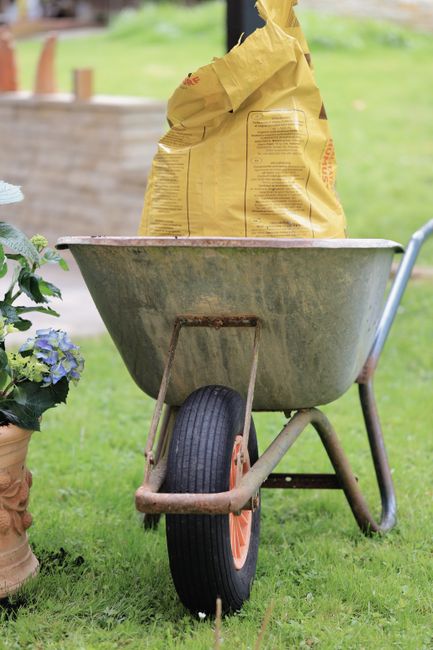
| Wheelbarrow | Good for moving waste across the garden without repeated lifting | Mixed garden clear-ups and prunings |
| Garden trug or tub | Handy for small, frequent collections | Weeding, deadheading, small tidy-ups |
| Strong compostable or council-approved sacks | Useful where the collection format requires bagging | Soft clippings and leaves |
| Hand shears or loppers | Reduce bulky stems into manageable sections | Pruning and hedge work |
| Work gloves | Protect against thorns, splinters, and sap | Every cleanup job, really |
For design-led gardens that stay tidy with less labour, the ideas in vertical gardening and herb garden planning can help reduce waste while still keeping the space productive and attractive.
If you are budgeting for larger work, a clear quote process is useful because disposal can affect the final cost. See pricing and quotes for a sense of how structured pricing helps customers compare jobs sensibly. And if you want to understand how work is handled with care, the site's insurance and safety information is a sensible place to start.
Law, Compliance, Standards, or Best Practice
Green waste handling is one of those areas where best practice matters even when the details vary by collection scheme. The core principles are consistent: sort your waste, avoid contamination, follow the collection method set for your property, and do not assume one council area works exactly like another.
For householders and gardeners, the safest approach is simple. Treat council instructions as the primary rule set, and use general UK waste best practice where the official details are unclear. That means:
- Keeping organic garden waste separate from general waste
- Avoiding contamination with plastics, metals, treated wood, and rubble
- Using approved containers or bags where required
- Presenting waste in the correct format and at the correct time
- Checking before disposal if you are dealing with bulky, woody, or mixed waste
If a job produces materials beyond ordinary garden cuttings, you may need a different disposal route. That is particularly true for tree work, fence removal, or heavy landscaping waste. The cleanest way to stay on the right side of things is to plan the job around the waste, not as an afterthought. That sounds obvious, yet it is the bit many people skip.
For this reason, the more involved projects on landscaping, tree surgery, and fencing pages are worth considering when the garden is producing more than simple green material. A clean split between garden waste and construction-type waste keeps everything much easier to manage.
Options, Methods, or Comparison Table
There is no single right way to deal with green waste. The best option depends on the size of the job, how often waste is produced, and whether you want convenience or control. Below is a plain comparison of common approaches.
| Method | Best for | Pros | Watch out for |
|---|---|---|---|
| Regular council green waste collection | Routine garden maintenance | Simple, predictable, usually convenient | Must follow the correct rules and container format |
| Bagging and staged disposal | Small to medium tidy-ups | Flexible and easy to sort | Can become time-consuming if the garden is large |
| One-off clearance support | Big seasonal jobs or overgrown gardens | Useful when waste volumes spike | Needs planning and may require broader service support |
| Composting at home | Soft garden waste and light organic matter | Great for reducing waste and improving soil | Not suitable for all waste types, especially woody material or diseased plants |
If you enjoy a more sustainable approach, home composting can be a smart companion to council collection. That said, it is not a magic solution. Some waste is still best removed professionally or through a proper collection route. A lot depends on volume, moisture, and what the material actually is. Simple but true.
For gardens where waste builds quickly because of design style, you might find ideas like wind-resistant planting useful because resilient planting often means fewer losses in bad weather and fewer emergency clear-ups after a blustery week. A calmer garden is usually a cleaner garden.
Case Study or Real-World Example
Here is a realistic example from the sort of situation many Old Malden homeowners face in late spring. A family wants to tidy an overgrown back border, cut back a hedge along the fence, and clear a lawn that has collected weeks of clippings after a few uneven mowings. Nothing dramatic. Just a normal Saturday job that somehow grows legs.
At first, the waste looks manageable. A few bags of hedge cuttings, some weeds, and a heap of grass. Then the pile expands once the beds are opened up and the old stems are removed from the border. The key difference between a smooth job and a frustrating one is sorting from the start. Soft material goes together. Woody bits are kept separate. Any plastic ties, pots, or broken supports are removed immediately, not left for "later."
By the end of the job, the garden looks finished because the waste has been handled in stages rather than dumped in a single mixed heap. The family can water the borders, sweep the patio, and enjoy the space that evening without looking at a half-processed mess. That little feeling of closure matters more than people admit.
In cases like this, a fuller service can help if the job is bigger than expected. If you are at the planning stage, the broader service pages on gardening services, garden maintenance, and about us can help you understand the kind of support available before you commit to a larger tidy-up.
Practical Checklist
Use this checklist before you finish any garden job. It saves time, reduces errors, and makes council collection much smoother.
- Have I separated green waste from general rubbish?
- Have I removed plastic, string, labels, and packaging?
- Have I kept soil, stones, and rubble out of the pile?
- Have I broken down larger branches or stems where needed?
- Is the waste in the correct bin, bag, or collection format?
- Am I sure the waste is clean and suitable for green collection?
- Have I checked whether this job creates bulky waste that needs another route?
- Have I set out the waste in time for collection?
- Have I left pathways clear and safe after the cut-back?
- Do I need help with a larger maintenance or clearance job next time?
If you are doing work in stages, store waste neatly so it does not become a trip hazard or attract pests. A tarpaulin under a pile of clippings can be a small lifesaver on damp evenings. Not fancy. Just practical.
For advice, quotes, or help planning a larger job that will generate plenty of waste, you can use the site's contact page to make the next step straightforward.
Get a free quote today and see how much you can save.
Conclusion
Green waste rules are not there to make life awkward. They are there to keep collections efficient, support recycling, and stop mixed waste from causing problems. Once you understand the basic split between clean garden material and everything else, the whole process becomes much easier. That is really the heart of Gardeners Old Malden council green waste rules explained: sort early, keep it clean, and plan the job around disposal, not the other way round.
Whether you are trimming a hedge, clearing borders, or tackling a bigger seasonal tidy-up, a little organisation goes a long way. And honestly, there is something satisfying about finishing a garden job and knowing every scrap is handled properly. The space feels calmer. You feel calmer too.
Frequently Asked Questions
What counts as green waste in a garden?
Green waste usually means natural garden material such as grass cuttings, hedge trimmings, leaves, weeds, and plant prunings. It generally excludes plastics, rubble, soil-heavy spoil, and treated wood.
Can I put soil in my green waste bin?
Usually not, or at least not in any significant amount. Soil, stones, and rubble often need separate handling because they can contaminate composting streams and make containers too heavy.
Are branches allowed in council green waste?
Small branches and prunings may be acceptable, but larger woody material often has different limits or disposal requirements. It is best to keep woody waste separate so you can judge it properly.
Can I mix weeds with hedge cuttings?
Yes, weeds are often treated as green waste if they are clean and free from contamination. Just avoid mixing them with ordinary rubbish or anything non-organic.
What should I do with plastic plant pots and ties?
Take them out of the green waste stream. They usually belong with other recyclable or general waste depending on local guidance, but they should not go into clean garden waste.
How do I avoid my green waste collection being rejected?
Keep the load clean, avoid overfilling, and make sure no rubble, food waste, or non-organic items are mixed in. A quick final check before collection can save a lot of hassle.
Is composting at home better than council collection?
It depends on the material and the amount. Composting is great for soft garden waste and light organic matter, but it does not suit every type of waste. Many households use a mix of both approaches.
What happens if I have a lot of waste after hedge trimming?
If a hedge cut creates more waste than your normal routine, it helps to separate the branches, bag the soft material, and consider whether the job needs extra support. Bigger cuts often produce more waste than they first appear to.
Do I need a different plan for winter garden waste?
Often, yes. Winter clear-ups can include more woody debris, storm damage, and wet leaves, which are heavier and messier than summer clippings. Planning ahead makes collection much simpler.
Can garden waste smell if I leave it out too long?
Yes, especially if it is wet grass or damp leaves. Green waste can start to smell and compact quickly, so it is better to store it neatly and deal with it sooner rather than later.
Should I ask for professional help with waste-heavy jobs?
If the job involves large volumes, overgrown areas, or mixed materials, professional help can save time and reduce mistakes. It is especially useful when you want the cutting, clearing, and tidy-up done as one organised process.
Where can I get help if I am unsure about the right approach?
If you are not sure what should go where, it is sensible to speak with a local gardener or use the website's contact options. A quick conversation can prevent a surprisingly expensive mistake later on.