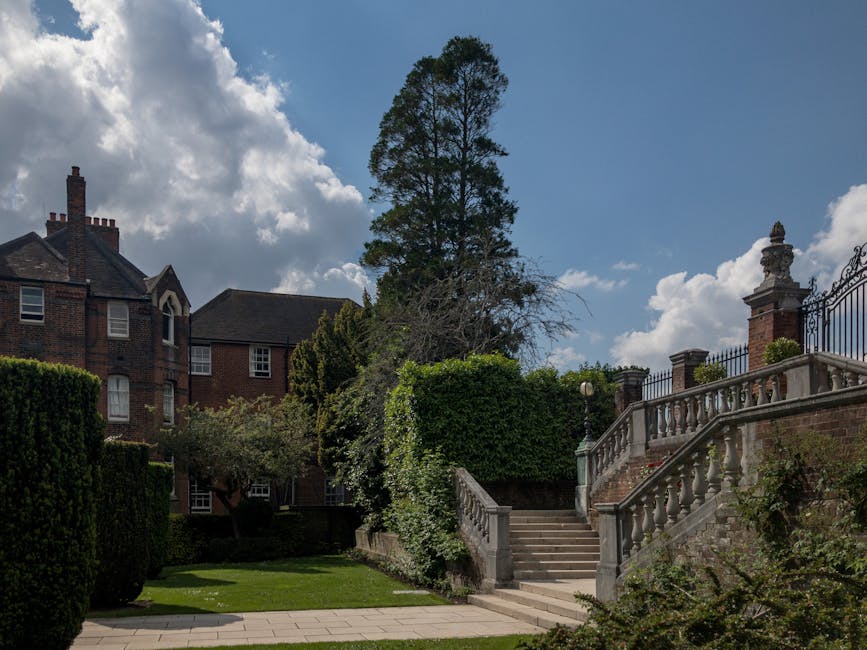
Malden Manor Station Gardens Guide Local Gardeners and Upkeep
Malden Manor station gardens can be more than a pleasant patch of green by the platform. For local gardeners, they are a small but meaningful example of how planting, tidiness, and seasonal upkeep shape the feel of a neighbourhood. If you have ever walked past a station verge in the rain and thought, "That could look brilliant with a little care," you are not alone. This guide on Malden Manor station gardens guide local gardeners and upkeep looks at what makes station planting work, why it matters, and how residents, volunteers, and nearby property owners can keep the space healthy without making the job feel endless.
The truth is, public-facing planting has to do a lot of things at once. It should look good, cope with foot traffic and weather, stay manageable, and avoid becoming a weed patch by mid-summer. That balance is where good upkeep really earns its keep.
In the sections below, you will find a practical framework for seasonal care, plant choice, risk reduction, and maintenance planning. There is also a checklist, a comparison table, and a straightforward FAQ for common questions.
Table of Contents
- Why Malden Manor station gardens guide local gardeners and upkeep Matters
- How Malden Manor station gardens guide local gardeners and upkeep Works
- Key Benefits and Practical Advantages
- Who This Is For and When It Makes Sense
- Step-by-Step Guidance
- Expert Tips for Better Results
- Common Mistakes to Avoid
- Tools, Resources and Recommendations
- Law, Compliance, Standards, or Best Practice
- Options, Methods, or Comparison Table
- Case Study or Real-World Example
- Practical Checklist
- Conclusion
- Frequently Asked Questions
Why Malden Manor station gardens guide local gardeners and upkeep Matters
Station gardens are often the first green space people notice when they arrive somewhere, which makes them deceptively important. A neat, healthy planting scheme tells commuters, visitors, and nearby residents that the area is cared for. A tired or overgrown one does the opposite. It can feel a bit like arriving at a house where the front path is immaculate but the garden is shouting for help. You notice it immediately.
For local gardeners, the relevance goes beyond appearance. Station planting offers real lessons in resilience. The plants must tolerate compacted soil, occasional litter, dry spells, wind funnelled between buildings, and the kind of changeable weather that keeps UK gardeners on their toes. That means any maintenance plan has to be practical, not idealistic.
There is also a community side to it. Well-kept station gardens can support pollinators, soften hard edges, and make the walk to and from the station feel calmer. In a busy urban setting, that small patch of green can become a pocket of breathing space. Not a luxury, really. More a quiet necessity.
When upkeep slips, the whole area can quickly look neglected. Weed pressure increases, self-seeded growth crowds out selected plants, and pruning tasks become bigger than they need to be. That is why regular, modest attention is usually better than one heroic tidy-up every few months. Gardeners know this instinctively, of course. The plants do not wait politely.
How Malden Manor station gardens guide local gardeners and upkeep Works
Station garden upkeep usually follows a simple principle: choose robust plants, maintain clear boundaries, and return often enough to stay ahead of problems. That sounds basic, but it is the difference between a planting scheme that lasts and one that keeps collapsing under its own enthusiasm.
In practice, the work tends to fall into a few overlapping layers:
- Structural care such as pruning shrubs, trimming hedges, and checking edges so planting does not spill into walkways.
- Ground care including weeding, mulching, feeding where appropriate, and checking for compaction.
- Seasonal adjustment like winter protection, summer watering, and replacing tired or failed plants.
- Risk management which means watching for slips, obstructed sightlines, broken branches, or overgrowth near access points.
Good station garden management also depends on visibility. If a bed is hidden behind railings or set close to paths, it needs sharper maintenance than a back corner border. Little issues become public issues very quickly. A fallen stem, a muddy patch, a leaning cane - tiny things, but they matter.
For many local gardeners, the best approach is to think in cycles. Weekly or fortnightly light checks, monthly maintenance tasks, and deeper seasonal reviews. That rhythm keeps the work manageable and helps avoid the classic spring panic where everything has, somehow, become five times larger overnight.
If you are looking to improve a nearby home garden with the same steady approach, a broader garden maintenance service style of planning often gives the best long-term result, because the same habits that keep station planting tidy also keep domestic borders from getting out of hand.
Key Benefits and Practical Advantages
A well-managed station garden gives more back than many people expect. Yes, it looks nice, but the real value runs deeper than that.
- Cleaner kerb appeal: Neat planting creates a better first impression and improves the look of the wider street scene.
- Lower long-term effort: Regular upkeep prevents minor issues from becoming heavy restoration jobs.
- More resilient planting: The right maintenance habits help plants withstand dry periods, wind, and seasonal stress.
- Better biodiversity support: Even modest planting can support bees, hoverflies, and other beneficial wildlife.
- Safer surroundings: Clear sightlines and tidy edges reduce trip hazards and blockages near pedestrian routes.
- Stronger community pride: People are more likely to respect a space that already feels respected.
There is also a practical financial angle. Lighter, regular care usually costs less than repeated renovation. It is the same with lawns, borders, and hedges at home: staying ahead of growth is cheaper than cutting back chaos later. If you want that principle applied to domestic lawns as well, a focused lawn care approach can prevent thin patches, moss build-up, and uneven growth from sneaking in.
Another overlooked benefit is confidence. A well-run planting scheme makes people more willing to contribute. Volunteers turn up more readily when a space is already organised. People notice when the effort is visible.
Who This Is For and When It Makes Sense
This guide is useful for several groups, and not just for people with muddy boots and secateurs in hand.
- Local gardeners who want to support nearby green spaces or learn from public planting standards.
- Residents near Malden Manor station who care about the look and feel of the surrounding area.
- Volunteer groups working on small public beds, verge planting, or shared ornamental spaces.
- Property owners who want a similar low-maintenance style for front gardens, boundary planting, or approach paths.
- Busy households that need simple, repeatable upkeep rather than garden projects that swallow whole weekends.
It makes sense whenever a garden needs to do more than just survive. If you are trying to create something tidy, welcoming, and manageable, this framework helps. It is particularly useful after a site has been neglected, after severe weather, or when planting has become too dense and tired to be useful.
For gardeners who are also juggling pets, children, or awkward layouts, it helps to look at broader design and safety concerns too. A practical article on making room for dogs in a thriving garden can be surprisingly helpful if your own space has similar wear-and-tear issues.
Step-by-Step Guidance
Here is a straightforward way to keep a station-style garden in good shape without making it complicated.
- Start with a full visual check. Look for weeds, broken stems, bare patches, mulch loss, self-seeded growth, and any obstruction near paths or railings.
- Identify the plant winners. Keep note of which plants are thriving and which are failing repeatedly. Station gardens do not reward sentimentality; if a plant keeps sulking, replace it with something tougher.
- Remove weeds early. Small weeds are quick to pull. Big weeds have opinions. Deal with them before they flower and spread seed.
- Re-cut edges and tidy boundaries. Crisp edges make a huge difference to how well-kept the whole area feels, even if the planting itself is fairly simple.
- Prune with purpose. Remove damaged, crossing, or congested growth. Keep access clear and maintain light around lower plants.
- Refresh mulch or soil cover. A clean top layer helps suppress weeds and retain moisture, especially in hotter months.
- Water according to need, not habit. Newly planted areas usually need more attention than established shrubs. Overwatering can be just as unhelpful as neglect.
- Replace weak plants strategically. Use plants that match the site. If the area is windy and exposed, do not keep insisting on delicate species that never quite settle.
- Review seasonally. At the end of winter, after spring growth, and before autumn sets in, revisit the whole scheme and adjust it.
That process may sound almost too sensible, but boring works here. Good upkeep is often a series of ordinary actions done on time. The glamorous stuff comes later, if at all.
If overgrowth is already a problem, you may need a more decisive cut-back before the routine maintenance can begin. In that case, a specialist service like hedge trimming in Old Malden can help reset the shape of boundary planting and improve access around paths.
Expert Tips for Better Results
After enough seasons in UK gardens, a few patterns become obvious. The following tips are small, but they add up fast.
- Use repetition carefully. Repeating a few strong plants creates order, which is especially useful in a public-facing space.
- Choose plants with reliable form. Mounded, upright, or spreading plants each solve different problems. Don't mix too many habits unless the design has room to breathe.
- Think in layers. Ground cover, mid-height planting, and taller structure work better than a single flat band of greenery.
- Prefer low-fuss plants near the front edge. The closer a plant is to a path, the more disciplined it should be.
- Mulch is your friend. Not glamorous, but very useful. It saves weeding time and protects the soil surface.
- Prune with the end shape in mind. Random snipping creates random results. A little patience helps.
One practical idea that often gets missed is to plan for the "messy middle" of the year. Most gardens look tidy in early spring and again after a big tidy-up. The challenge is everything in between. If you build your maintenance schedule around that middle stretch, the garden stays decent for longer, which is honestly what people notice.
For spaces that need reliable screening or a stronger boundary feel, the article on fast-growing hedge solutions is a useful companion read, especially when a station edge or nearby home boundary needs structure without becoming high-maintenance.
Expert takeaway: the best station gardens are not the fanciest ones; they are the ones that stay legible, tidy, and alive through the seasons. Keep the design simple enough that upkeep remains realistic.
Common Mistakes to Avoid
Most problems in station gardens come from a handful of repeat mistakes. They are easy to make, especially when everyone is trying to do "just a bit more" with limited time.
- Planting too densely: Dense planting can look lovely at first, but it often creates congestion, disease pressure, and awkward maintenance later.
- Ignoring root competition: Some plants fail simply because the soil beneath them is too crowded or tired.
- Leaving pruning too late: Once hedges and shrubs have grown beyond their intended shape, the work becomes much harder.
- Using thirsty plants in exposed locations: Beautiful, yes. Practical, not so much.
- Forgetting seasonal shifts: Winter dieback, summer dryness, and autumn leaf fall all change what the site needs.
- Skipping edge maintenance: If the edges look rough, the whole garden reads as neglected, even if the centre is fine.
Another subtle mistake is designing only for the first month after planting. A bed that looks great on day one may look tired by August if the species selection is weak. That is where local knowledge matters. A gardener who understands the site, the wind, the soil, and the likely foot traffic will usually make better choices than someone relying on a nice label and a hopeful glance.
If weeds are recurring, it is worth looking at the underlying cause rather than just the symptom. For a deeper practical breakdown, the article on weed control is a useful match for this kind of upkeep work.
Tools, Resources and Recommendations
You do not need a van full of specialist kit to keep a small station garden in good order. In most cases, a compact, well-chosen set of tools is enough.
- Hand fork and trowel: useful for weeding, replanting, and loosening compacted patches.
- Bypass secateurs: better for clean cuts on live stems and light pruning.
- Long-handled loppers: handy for slightly thicker growth without overstraining yourself.
- Spade or border fork: useful if soil needs turning or improving.
- Wheelbarrow or trug: for moving clippings, mulch, and plant waste.
- Watering can or hose access: especially important for newly planted material.
- Gloves and sturdy footwear: basic, but absolutely worth it.
Materials matter too. Mulch, compost, and replacement plants should be selected with site conditions in mind rather than convenience alone. If the area is dry and exposed, the most decorative option is not always the right one. This is where a thoughtful, low-maintenance style often wins.
If you are planning a broader refresh rather than routine upkeep, you may also find value in initiating a garden makeover in a measured way. It helps when a space has drifted away from a clear planting plan and needs structure again.
For larger or more technical jobs, it is sensible to bring in professional help rather than forcing a quick fix. Services such as gardening services, landscaping, or tree surgery may be relevant where overgrown roots, canopy shade, or structural change are affecting the planting. And yes, sometimes the best tool is simply a second pair of eyes.
Law, Compliance, Standards, or Best Practice
For a station-adjacent garden, the most important "compliance" concern is usually practical safety rather than red tape. Keep paths clear, avoid obstructing access, and make sure any work does not create hazards for pedestrians, volunteers, or maintenance staff. If a site is public-facing, tidy transitions between hard surfaces and planted areas matter more than people sometimes realise.
When working near traffic, station entrances, or shared access routes, sensible risk assessment is part of best practice. That normally means checking for trip hazards, making sure tools are stored securely, and planning work so loose material does not spill into walking space. If the weather turns nasty, pause and reset. A damp platform edge or windy pruning session is not the place for bravado.
UK gardeners also tend to follow general good practice around waste handling, safe tool use, and avoiding unnecessary disturbance to wildlife. If a nesting bird or active habitat is present, work should be adjusted carefully and politely. No drama, just care.
For readers who want a broader safety overview before starting maintenance, the site's health and safety policy and insurance and safety guidance offer useful context on how responsible garden work is approached. If payment or booking is involved, the payment and security page is also worth a look.
Options, Methods, or Comparison Table
There is no single right way to maintain a station-style garden. The best method depends on time, budget, plant choice, and how visible the site is. Here is a practical comparison.
| Method | Best for | Advantages | Trade-offs |
|---|---|---|---|
| Frequent light upkeep | Busy public-facing beds and small borders | Keeps work manageable, reduces surprise problems, improves appearance fast | Needs regular commitment |
| Seasonal heavy tidy-ups | Sites with limited volunteer time | Useful for resetting an overgrown area | Problems can build between visits |
| Low-maintenance planting | Exposed or difficult sites | Less watering, less pruning, better resilience | Can look simpler and less ornate |
| Professional support | Complex or safety-sensitive spaces | Reliable, efficient, good for larger tasks | Cost can be higher than DIY |
For most small local spaces, the first or third option works best. If the garden needs frequent little interventions, light upkeep wins. If the site is hard to manage, a tougher planting scheme is often the smarter choice. To be fair, many good gardens are a mix of both.
When a hard surface area nearby needs attention too, pairing planting work with patio cleaning or even modest fencing improvements can make the whole setting feel more cared for, not just the beds themselves.
Case Study or Real-World Example
Picture a small station approach border that starts off reasonably neat in spring. By early summer, one side has begun to sprawl, weeds have pushed through the mulch, and a few shrubs are shading out smaller plants. Nothing catastrophic. Just enough to make the area look tired.
A sensible recovery plan would usually go like this: cut back the overgrowth, remove weeds before they seed, replace any failed plants with tougher alternatives, and refresh the surface with mulch. If the soil is compacted, it would also help to loosen the top layer and improve drainage a little. That is not glamorous work. It does, however, change the feel of the space quickly.
In a similar domestic setting, a home garden near a station often benefits from the same discipline. One Old Malden front garden, for example, may not need a full redesign at all. It just needs cleaner structure, lighter planting near the path, and a maintenance rhythm that stops the edges from going wild. A little less "let's see what happens" and a little more "right, this is the plan."
That kind of transformation is exactly where a broader low-maintenance garden approach can help, especially for homeowners who want the result to stay decent without constant intervention. If you need a starting point for the bigger picture, about us is a sensible place to understand how a local team works, and when you are ready to talk through your own space, contact the team directly.
Practical Checklist
Use this quick checklist before and after routine upkeep visits.
- Check paths and edges for overgrowth or obstruction.
- Remove weeds while roots are still small.
- Prune damaged, crossing, or awkward growth.
- Clear litter and loose clippings.
- Inspect mulch depth and top up where needed.
- Look for dry, stressed, or failing plants.
- Water new planting as needed.
- Confirm no branches or stems are interfering with access.
- Note any bare patches that need replanting.
- Review what needs attention at the next visit, not just today.
If you like working in a more structured way, it can help to keep a simple seasonal log. Nothing fancy. Just a few notes on what thrived, what struggled, and what became a nuisance. By the third season, you will spot patterns very quickly. That is where the real savings begin.
For formal enquiries about ongoing work, quotes, or next steps, use the page for pricing and quotes when you want a clearer idea of how regular garden care may be structured.
Conclusion
Malden Manor station gardens guide local gardeners and upkeep is really about one simple thing: keeping a shared green space attractive, safe, and manageable over time. The best results usually come from modest, consistent care rather than dramatic interventions. Choose plants that suit the site, stay on top of weeds and edges, prune with a clear plan, and treat maintenance as an ongoing rhythm rather than a one-off task.
That approach works just as well for nearby homes, side gardens, and front borders as it does for station planting. And if the space has become too much to handle alone, professional support can make the reset far less stressful. A tidy garden is not only nicer to look at; it is calmer to live with. Simple as that.
Get a free quote today and see how much you can save.
If you are planning a refresh, want a regular upkeep schedule, or simply need help turning a tired space back into something welcoming, a local conversation is usually the best first step. Sometimes the smallest fixes make the biggest difference. Funny how that works, really.
Frequently Asked Questions
What is the main purpose of station garden upkeep?
The main purpose is to keep the space safe, tidy, resilient, and pleasant to pass through. Station gardens have to handle weather, foot traffic, and visibility issues, so upkeep is as much about function as appearance.
How often should a small station-style garden be checked?
Light checks weekly or fortnightly are usually sensible, with deeper maintenance tasks carried out monthly or seasonally. The exact rhythm depends on planting density, weather, and how exposed the site is.
Which plants are best for a low-maintenance public-facing garden?
Robust, drought-tolerant, and naturally tidy plants tend to work best. The exact selection depends on shade, wind exposure, and soil type, but the general rule is to avoid plants that need frequent fussing.
Why do weeds appear so quickly in managed garden beds?
Weeds thrive where soil is open, disturbed, or under-mulched. If a bed is regularly watered and lightly fed, weeds can also benefit, so early removal and good ground cover are important.
Can local gardeners help with station garden care, or is it better left to professionals?
Both can work. Local gardeners are often ideal for small, regular tasks and community involvement, while professionals are better for larger, more technical, or safety-sensitive work.
What is the biggest mistake people make with station planting?
Overplanting. It can look full at first, but crowded beds become harder to weed, prune, and water properly. Good spacing usually leads to better long-term results.
How do you keep a station garden looking good through winter?
Focus on structure. Evergreen form, sturdy stems, tidy edges, and prompt removal of damaged growth all help. Winter care also means protecting vulnerable plants where needed and avoiding waterlogged conditions.
Do station gardens need different care from private gardens?
Yes, in some ways. They usually need clearer sightlines, more disciplined edges, and planting that can cope with more public exposure. Private gardens can be more experimental; station gardens usually cannot.
Is mulching worth it for a small garden?
Absolutely. Mulch helps suppress weeds, reduces moisture loss, and gives beds a cleaner finish. It is one of those unglamorous jobs that pays you back quietly all year.
What should I do if a garden area has already become overgrown?
Start with a reset: cut back excess growth, remove weeds, clear debris, and assess which plants are worth keeping. After that, rebuild the space with a realistic maintenance plan rather than trying to do everything at once.
How can I make upkeep easier if I am short on time?
Choose simpler planting, reduce the number of high-maintenance species, and focus on regular light attention rather than occasional big jobs. Small, consistent work is far easier to live with.
Where should I look if I want help with larger garden work nearby?
It depends on the task. For regular care, garden maintenance is a good starting point. For more involved work, landscaping, tree surgery, or gardening services may be more appropriate.